
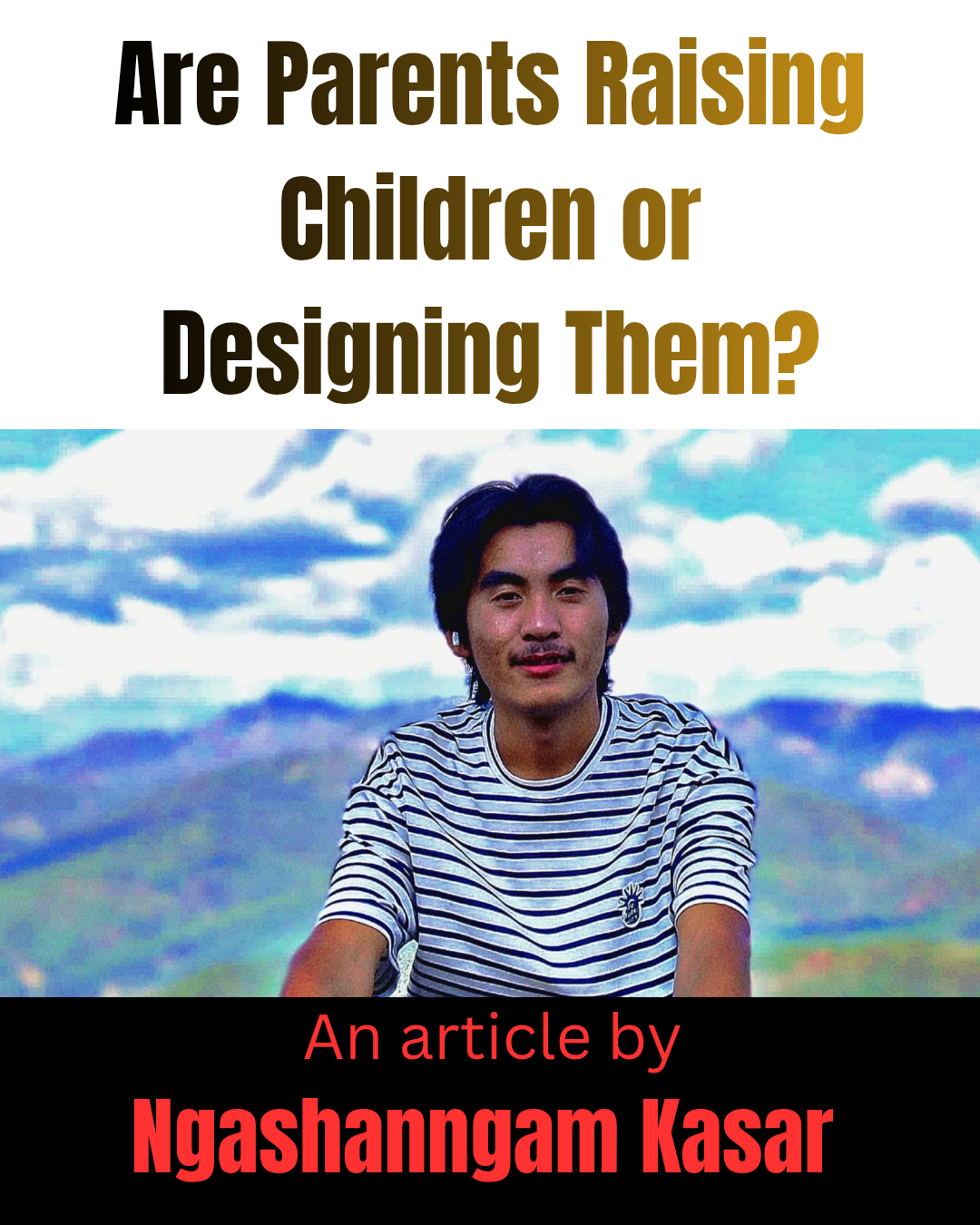
Every child is born with a different nature, different talents, different interests and different dreams. Parents give children love, education, protection and guidance. They teach children how to behave and how to face the problems of life. But there is one question we should ask honestly: are parents raising children or designing them? This is not an easy question because parents usually want the best for their children. But children are also human beings with their own thoughts, feelings, abilities and dreams.
The famous philosopher and poet Kahlil Gibran wrote in On Children, “Your children are not your children. They are the sons and daughters of Life’s longing for itself.” He also wrote, “You may give them your love but not your thoughts, for they have their own thoughts.” These words make us think about the relationship between parents and children. Parents give birth to children and take care of them, but children also have their own minds. Giving birth to a child does not mean owning the child’s whole life. Parents have an important role in guiding their children, but guidance and control are not always the same thing.
When Parents Decide the Future
Many parents decide the future of their children at a very young age. The child must become a doctor. The child must become an engineer. The child must get a government job. The child must earn a good salary. The child must make the family proud. Sometimes the future of a child starts. looking like a plan made by someone else. Parents usually have good intentions. They have faced difficulties in their own lives and want their children to have better and safer future. Their experience is valuable, but parents cannot always know exactly what their child wants to become.
A child may love football. Another may love music. Another may love painting. Someone may love writing, teaching, farming, business or sports. But what happens when the child’s dream is different from the dream of the parents? The child may hear, “That is not a good career. They may hear, “Think about your future.” They may also hear, “What will people say?” or “We know what is best for you.” When children hear such words again and again, they may slowly stop talking about their real dreams. Then we have to ask: are children living their own lives, or are they living the lives their parents planned for them?
Education is very important. Good marks can give children many opportunities, but marks cannot measure everything about a person. Marks cannot fully measure kindness, creativity, courage, practical skills, emotional strength or the ability to understand other people. Still, many children are compared with others. A child gets 90 per cent and is asked about someone who got 95 per cent. A child comes second and is asked why they did not come first. Parents may say these things because they want their children to improve, but sometimes such comparisons can make children afraid of failure. They may start thinking that they are never good enough.
Failure is also part of life. Every person makes mistakes. Children need opportunities to make mistakes, learn from them and become stronger. One examination cannot decide the value of an entire human life. But our society sometimes gives importance to only a few careers. Doctor, engineer, civil servant, businessman and other high paying professions are often seen as successful careers. A young person who chooses something different may be asked why they are wasting their future. But every child may have different abilities. A career should not be chosen only because society considers it respectable. It should also be based on the person’s interest, ability and willingness to work hard.
One question controls many young people: “What will people say?” This question can create a lot of pressure. Some children feel that their career and personal choices must always protect the reputation of their family. Respecting one’s family is important, but family honour should not become a prison. A child should be able to make responsible choices about their future. Freedom does not mean doing anything without thinking. Freedom means having the chance to think, choose and accept responsibility for one’s choices.
Children Also Have Their Own Dreams
There is another question parents should ask themselves: am I teaching my child to think, or am I teaching my child exactly what to think? Can my child question me? Can my child disagree with me? Can my child have an opinion different from mine? Can my child choose a career that I do not like? Parents naturally teach their children values, traditions, beliefs and good behaviour. This is an important part of family life. But children should also be allowed to ask “Why?” They should be allowed to ask questions and express their opinions. They should also be allowed to change their opinions as they grow older. A parent who wants an independent child must give the child some space to think independently.
The Bible also gives us something important to think about when we talk about parents and children. Ephesians 6:4 says, “Fathers, do not exasperate your children; instead, bring them up in the training and instruction of the Lord.” This verse does not mean that parents should stop guiding or disciplining their children. Parents have a responsibility to teach their children right and wrong and prepare them for life. But the verse also reminds parents that their authority should not become a reason for anger, fear or discouragement. Parents have authority, but that authority also comes with responsibility. It should help children grow rather than make them feel afraid or helpless.
A similar message can be found in Colossians 3:21, which says, “Fathers, do not embitter your children, or they will become discouraged.” These words are simple but important. A child who is constantly compared with others or constantly told that they are not good enough may slowly lose confidence. Parents may believe that pressure will make their children successful, but sometimes. too much pressure can have the opposite effect. Children need discipline, but they also need encouragement. They need correction, but they also need to know that their parents love them.
The Bible also says in Proverbs 22:6, “Start children off on the way they should go, and even when they are old they will not turn from it.” This reminds us that parents have an important responsibility. to guide their children. Parents should teach children values, discipline, kindness, responsibility and respect. But guiding a child does not mean deciding every part of the child’s future. A parent can show a child the road without forcing the child to walk every step in exactly the same way. Parents can give direction, but children also need to learn how to make responsible decisions for themselves.
Parents sometimes say, “I know what is best for you.” Parents do know many things because they have more experience. But parents cannot see the future. They cannot know exactly what will make their child happy or successful. The world is changing very quickly. Some careers that were popular in the past may not have the same opportunities today, while new careers are developing. Children therefore need some space to discover their own abilities and interests. Parents can guide them, but they should also listen to them.
Parents can love their children and still make mistakes. A parent may think pressure will make a child successful, but the child may become scared. A parent may think comparison will motivate the child, but the child may begin to feel useless. A parent may think strict control will teach discipline, but the child may feel trapped. This is why parents should sometimes stop and listen. Listening does not mean that parents are weak. It means they are trying to understand what their children are going through.
Guiding Children Without Controlling Them
Children also have responsibilities. They should respect their parents, follow reasonable rules, study seriously, work hard and accept the results of their decisions. Freedom does not mean freedom from responsibility. At the same time, parents also have responsibilities. They must provide love, care, education, protection and guidance. They should teach their children how to face the difficulties of life. But as children grow older, parents should also respect their growing independence. A good family relationship needs responsibility from both sides.
A child is not an investment whose value should increase with time. A child is not unpaid labour for the family. A child is not a future source of income. A child is not someone who must repay the parents for giving them life. Parents may sacrifice money, time and comfort for their children, and children should respect those sacrifices. But sacrifice should not become a bill that the child has to pay with their whole life. A child should not be told, “We spent so much on you, so you must become what we want.” Education, food and shelter should not become a title deed over a child’s future.
Kahlil Gibran gives another beautiful image in On Children: “You are the bows from which your children as living arrows are sent forth.” A bow gives an arrow strength and direction, but the arrow eventually travels beyond the bow. In the same way, parents give children strength, values, education and guidance. One day children will enter a future that their parents cannot completely see. Parents cannot live that future for them. They can prepare their children for the future, but eventually children have to face it themselves.
Parents should therefore ask themselves some difficult questions. Am I listening to my child? Do I know what my child really likes? Am I forcing my own dreams on my child? Am I using my sacrifices to control my child’s choices? Am I preparing my child for life or only preparing my child to impress society? Am I raising a child who can think freely, or am I creating a child who has simply been trained to think like me? These questions do not mean that parents should stop guiding their children. They simply mean that guidance should leave some space for children to develop their own thinking.
Perhaps the hardest question for parents is this: do I believe my child belongs to me? A child is part of a family, but child is also an individual human being. Parents should not treat children as unfinished dreams, investments, unpaid workers or trophies to show to society. Children need love. They need guidance. They need protection. But they also need the freedom to think, ask questions, make mistakes, discover their talents and choose a responsible path.
The relationship between parents and children should not be a fight between authority and freedom. Parents have the right and responsibility to guide their children, but children also need some freedom to think and make responsible choices. Parents can establish reasonable rules while listening to their children. They can teach values while allowing questions. They can encourage education while understanding that marks are not the only measure of ability. They can share their own experiences without forcing their children to live exactly the same life.
Children are not machines. They are not trophies. They are not family investments. They are not tools for completing unfinished dreams. They are human beings with their own minds, feelings, talents and dreams. Perhaps the greatest gift parents can give their children is not a perfectly designed future, but the courage to discover their own path. Perhaps the greatest success of parenting is not hearing a child say, “I became exactly what you wanted me to become,” but hearing the child say, “You gave me the courage to become who I truly am.”
Ngashanngam Kasar
BA 1st Semester
Department of Political Science
St. Joseph College, Ukhrul