
Chatric, also known as Siyang, is a village located of Kamjong district, Manipur state, India. Chatric village shares International Border Pillar No. 117 & 118 in the Indo-Myanmar border.
The village is about 40 kilometers from Kamjong Headquarters and about 100 kilometers from Ukhrul Headquarters. The village is divided into two major parts with separate settlements; Chatric Khullen and Chatric Khunou. The village is also famous for Sivathei (King Chilli), Trout, Mahseer and Garra trilobata.
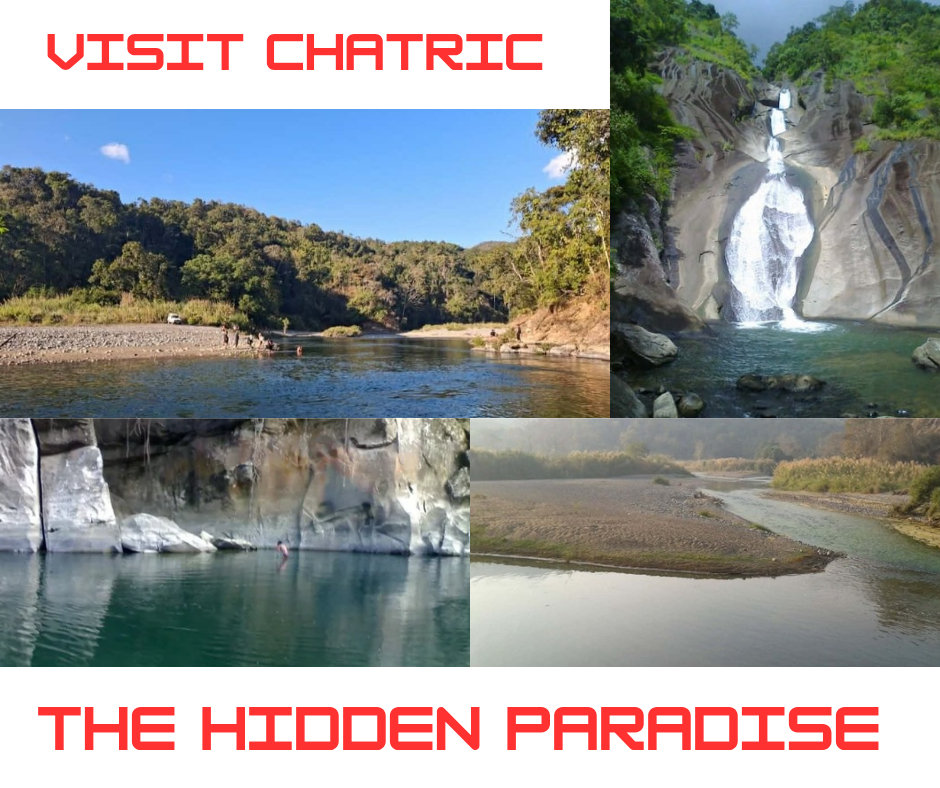
Chatric- a region with beautiful waterfalls, diverse wildlife and cultural importance. Sanalok flowing west of the Ango Ching hills, near the Myanmar border is a home to unique fish like Garra trilobata. Rich in flora and fauna, with animals like wild bison, leopards, and hornbills.The Liabi Waterfalls and dense forests, making it an important natural area and a hot destination for local areas and tourists from other parts of the world.
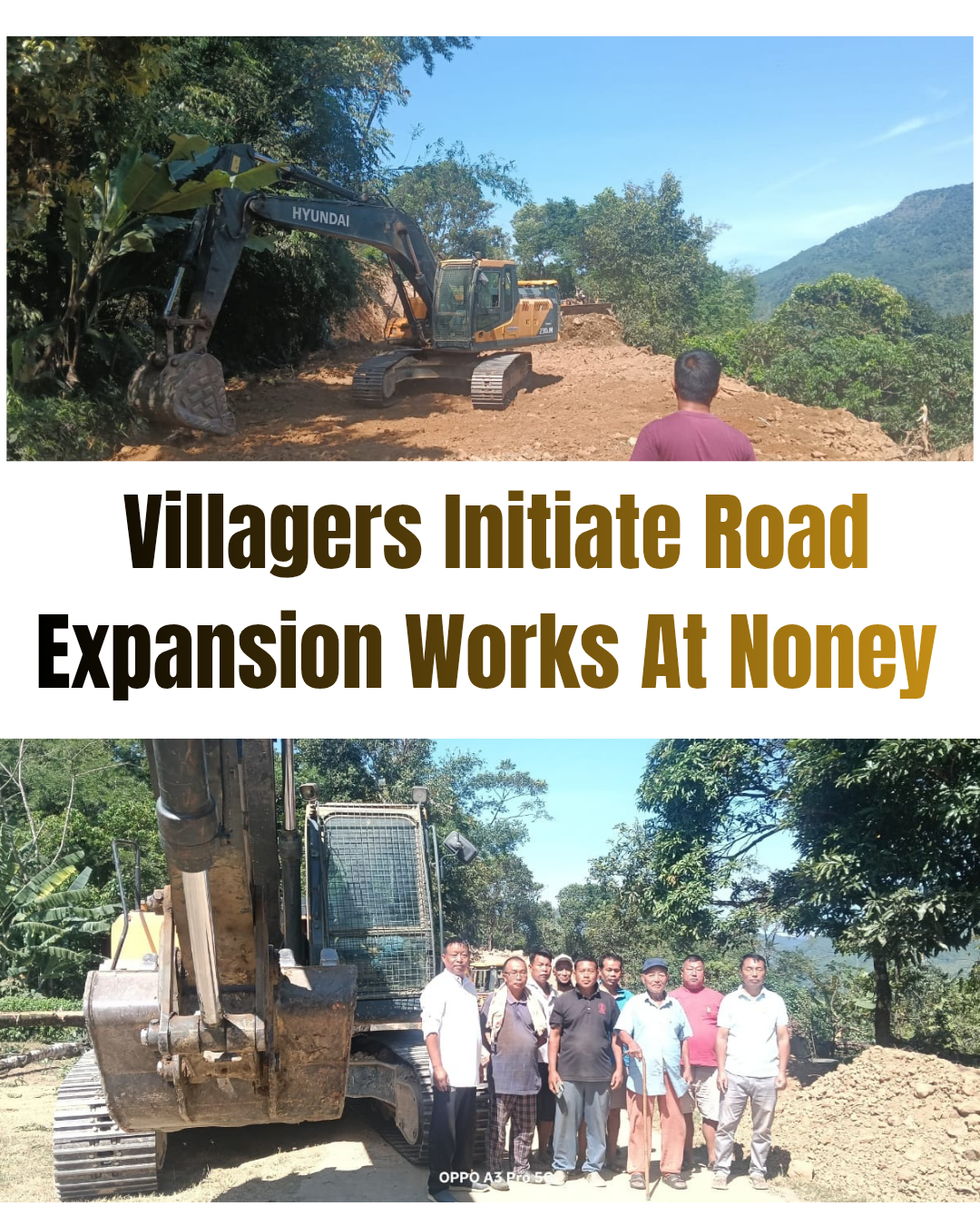
Nambanlok and Sanalok are tributaries of the Chindwin River and it passes through Chatric village. Nambanlok is about 100km and the Sanalok is about 130km from Ukhrul Headquarters. This ‘hidden paradise’ along the international border has the potential to attract tourists, provided there is proper road connectivity. A significant river and geographical feature in Manipur, embodying natural heritage and historical legacy. A vital, scenic river flowing near the Myanmar border, known for its rich biodiversity
The area is well known for its scenic natural beauty and rich flora and fauna. The range has a large span of natural forest stretching till the international border with Myanmar. The area is also well known for the supply of fresh water fish abundantly made available in the local market of Ukhrul Headquarters
Nambanlok and Sanalok are home to fresh water fishes like Mahseer (Ngara) and Trout. Unfortunately, their numbers are slowly reducing each passing year. Without proper study, the exact reason for the reduction may not be known. But, the people from the area have their suspicion. Aso Shimray, a frequent visitor, observed that it could be due to widespread use of fertilisers around the area which deprived the fishes of their food. “The use of fertilisers by the farmers in the region is affecting the rivers and their flora and fauna. The runoff water from the hills is directly flowing into the rivers and contaminating the waters,” said Aso Shimray.
Much needs to be done to restore and protect the flora and fauna in the area. To start with, we need to be involved and work with the community. Engage in research work to ascertain the factors responsible for the change in the eco-system.